What is BPC-157?
BPC-157 is a man-made peptide. It’s based on a natural protein found in the stomach. Researchers study it for its potential interactions with biological repair processes in experimental models. One key area of research looks at how BPC-157 works with nitric oxide (NO) — a molecule involved in circulation and tissue response in laboratory research.
(Reference: Sikiric et al., 2010)
What is Nitric Oxide (NO)?
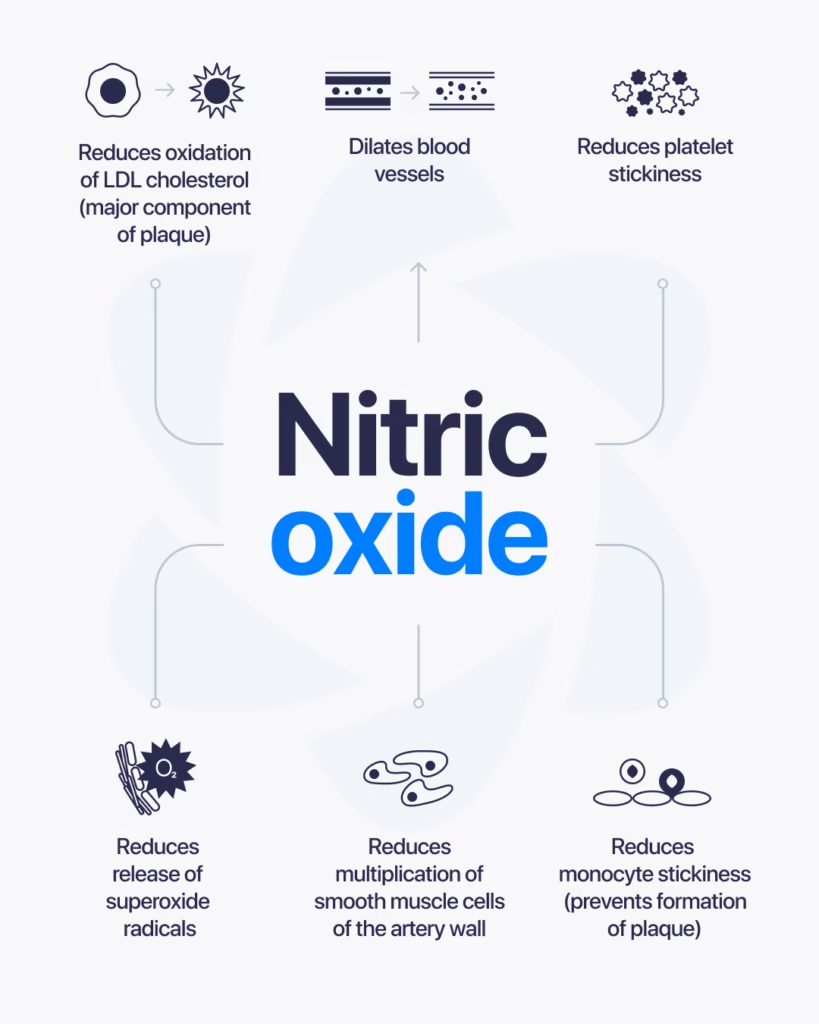
NO is a gas made inside the body. It does several important things:
-
Mediates vasodilation
-
Acts as a neurotransmitter
-
Involved in cellular repair signaling
-
Contributes to immune system pathways
Too much or too little NO can be a problem, so researchers study how to help keep it balanced.
The effects of BPC-157 on Nitric Oxide
1. Boosts NO-Making Enzymes
BPC-157 was observed to influence eNOS activity in rat models, with correlated changes in vascular function.
(Reference: Vukojević et al., 2013)
2. Balances Nitric Oxide in Recovery
In research on muscle, tendon, and nerve injuries, BPC-157 seemed to restore NO levels — either raising or lowering them as needed. Even when NO production was blocked or overactive, BPC-157 was reported to modulate NO balance under both inhibited and stimulated conditions, with associated effects on tissue response markers. Scientists think this might involve other repair signals like VEGF.
(Reference: Sikiric et al., 2010; Seiwerth et al., 2018)
3. Helps with Blood Vessel Function
In preclinical models of vascular stress, BPC-157 was observed to stabilize NO signaling and maintain vessel integrity markers.
(Reference: Sikiric et al., 2016)
References
All products sold by Direct Peptides are strictly for laboratory research purposes only. They are not intended for human or animal consumption, medical, or therapeutic use. The information provided on this website is for educational and informational purposes only.