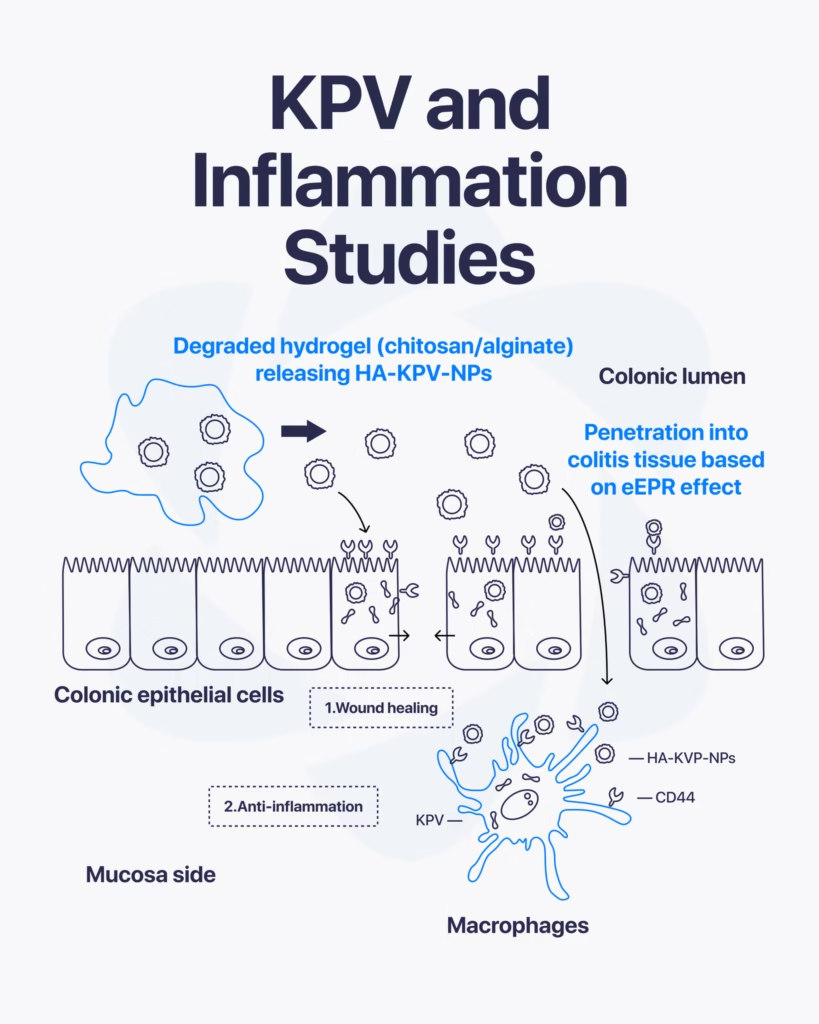
What Is KPV? KPV is a tripeptide made of lysine, proline, and valine. It is derived from the larger α-melanocyte–stimulating hormone (α-MSH), a peptide involved in immune and inflammatory regulation. Researchers became interested in KPV because it preserves some of α-MSH’s reported anti-inflammatory properties while being more stable and easier to study in laboratory systems. […]
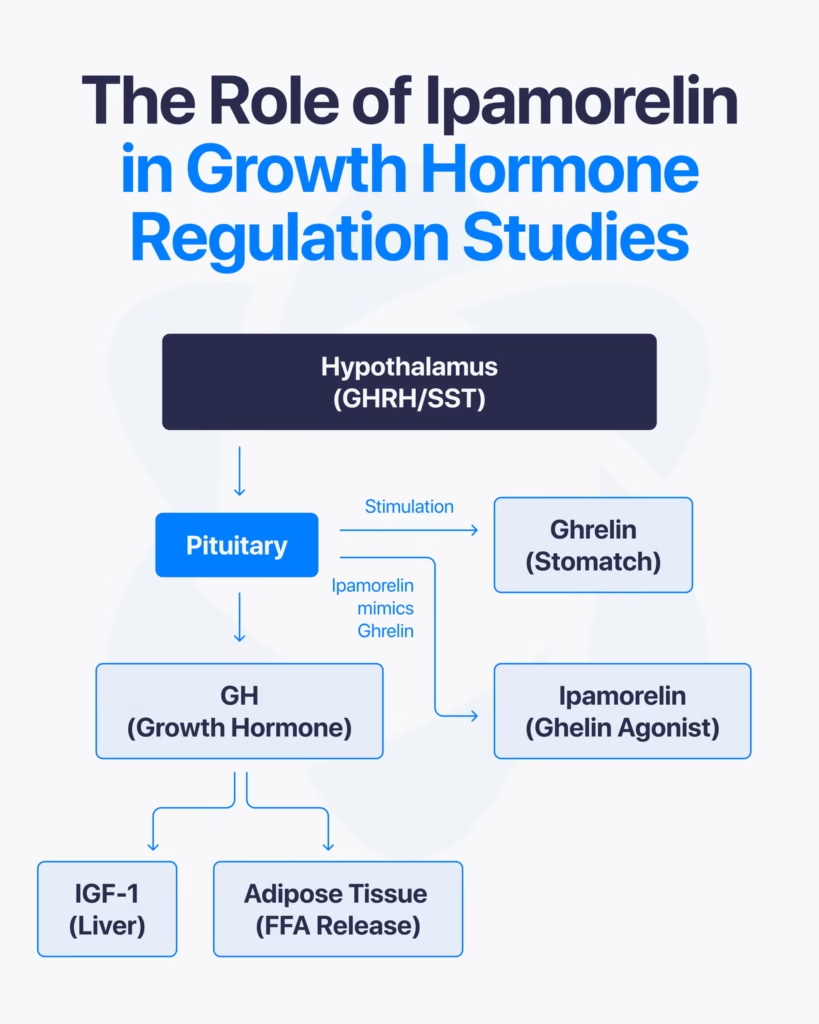
What Is Ipamorelin? Ipamorelin is a synthetic pentapeptide that belongs to the class of growth hormone secretagogues (GHS). It is designed to selectively stimulate growth hormone release by mimicking natural signaling peptides. Unlike earlier GHS compounds, Ipamorelin has been noted for its receptor specificity and reduced off-target effects in research contexts. (Reference: Raun et al., […]
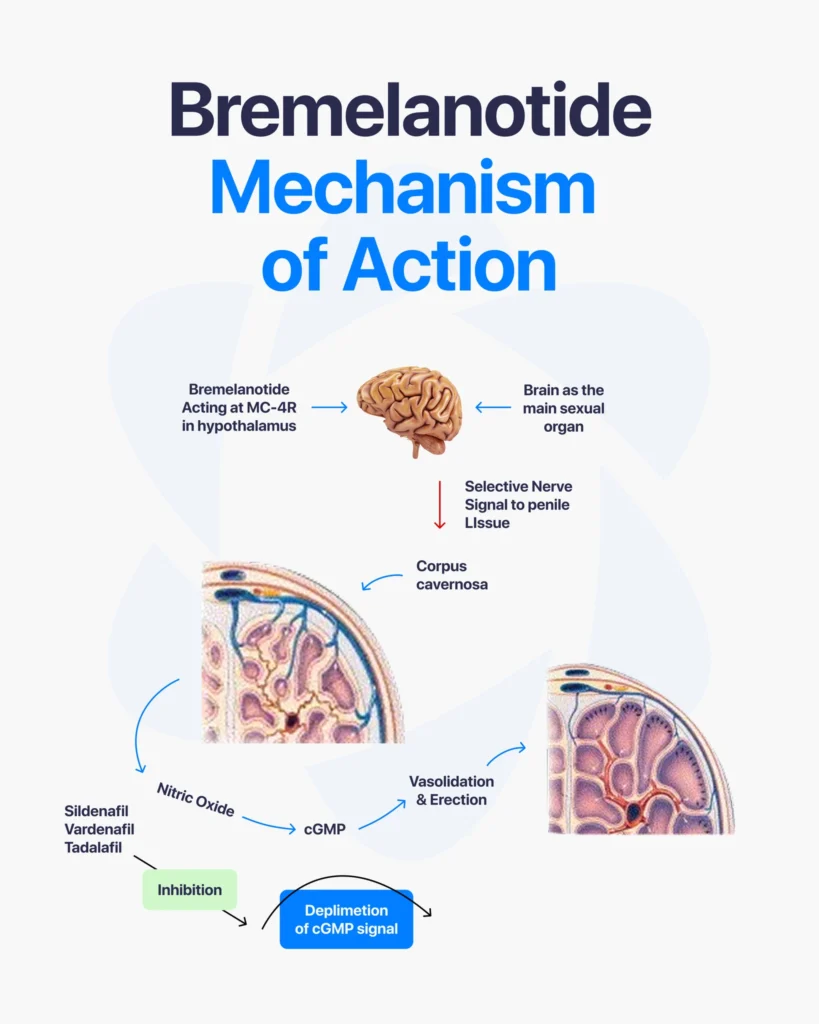
What Are Melanocortin Agonists? Melanocortin agonists are compounds that bind to and activate receptors of the melanocortin system, a family of G-protein–coupled receptors (MC1R–MC5R). These receptors are widely distributed across tissues and influence pigmentation, energy balance, immune responses, and endocrine signaling. Agonists may be natural peptides such as α-MSH (alpha-melanocyte-stimulating hormone) or synthetic analogs designed […]
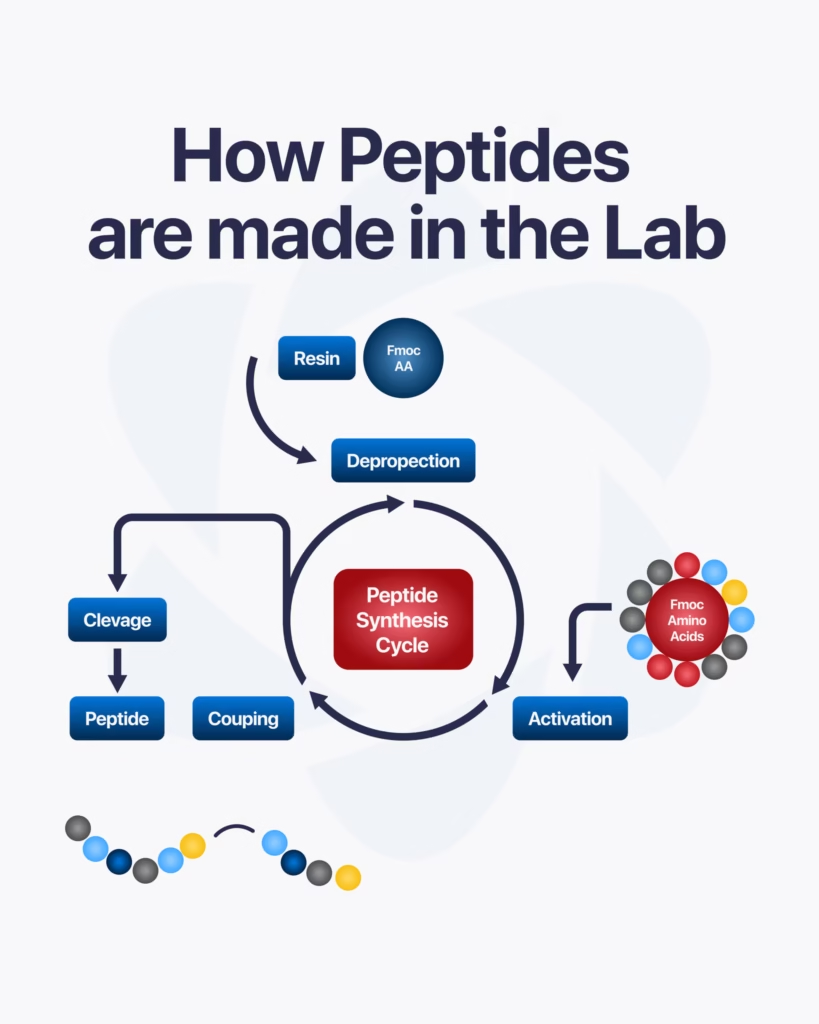
What Is Peptide Synthesis? Peptide synthesis is the laboratory process of creating short chains of amino acids linked together by peptide bonds. These chains can mimic naturally occurring sequences or be custom-designed for research. Since peptides play roles in signaling, enzyme activity, and structural biology, synthetic production allows researchers to study them in controlled ways. […]
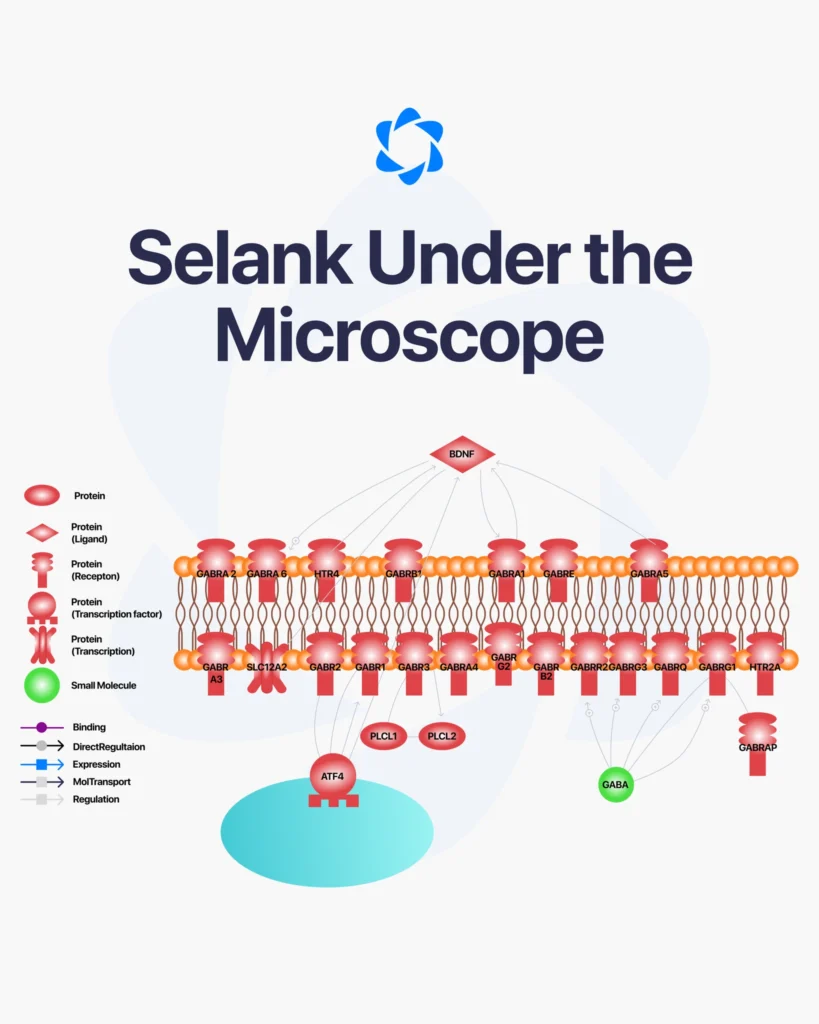
What Is Selank? Selank is a synthetic heptapeptide (seven–amino acid chain) derived from tuftsin, a natural peptide fragment involved in immune regulation. Researchers modified tuftsin’s sequence to create Selank in order to explore how small peptides might influence both neurological and immune pathways. (Reference: Ashmarin et al., 1995) How Has Selank Been Studied? Studies of […]
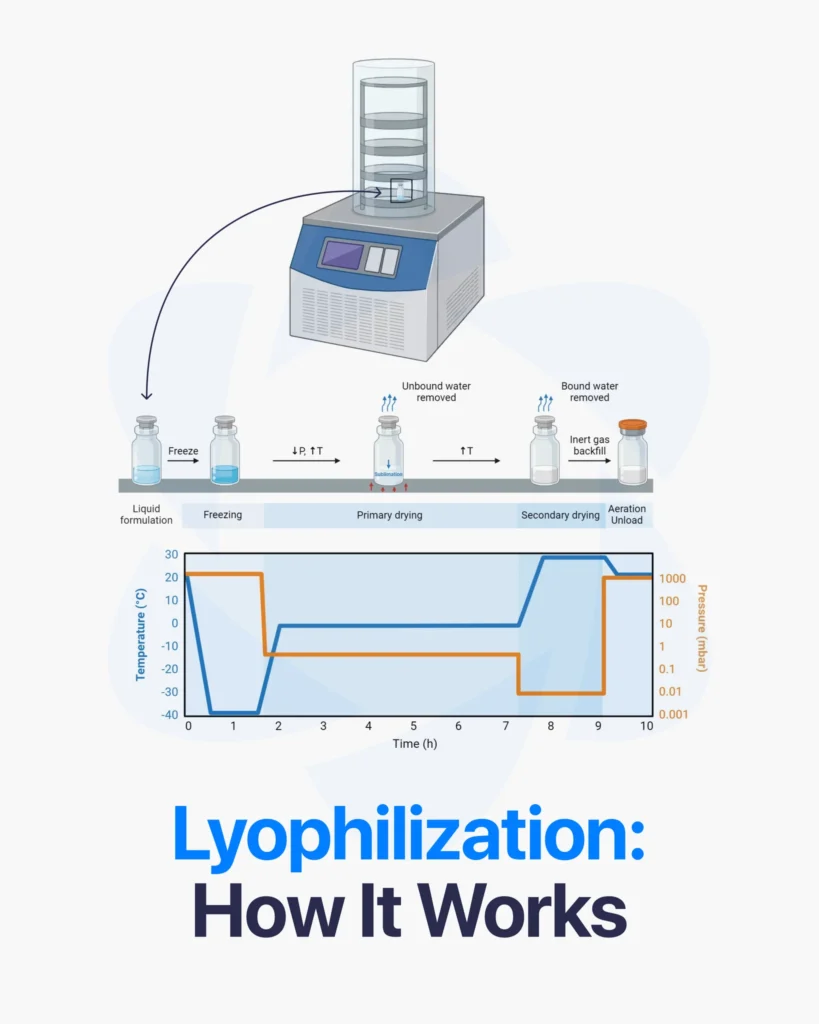
What Is Lyophilization? Lyophilization, also known as freeze-drying, is a dehydration process commonly used in research and pharmaceutical labs to preserve biological materials. The technique removes water from a frozen sample through sublimation — the direct transition of ice into vapor — under reduced pressure. This helps maintain the structure and stability of sensitive compounds […]
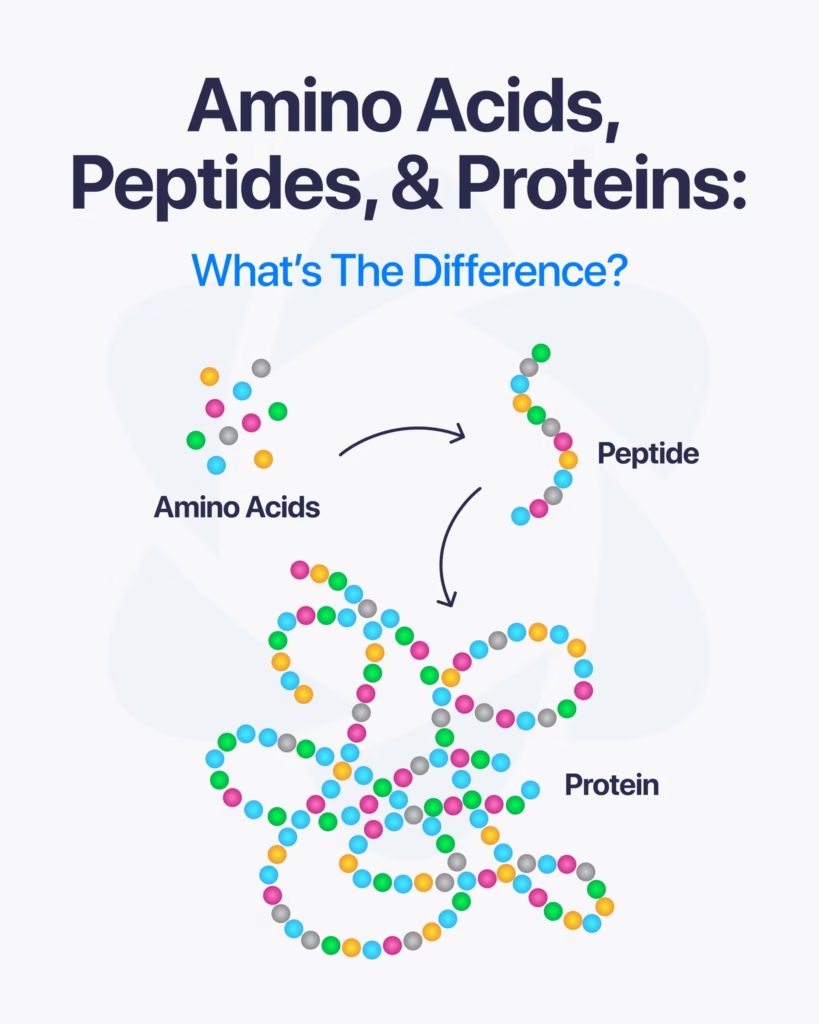
What Are Amino Acids? Amino acids are the building blocks of peptides and proteins. Each amino acid contains a central carbon atom bonded to an amino group, a carboxyl group, a hydrogen atom, and a unique side chain (R-group). These side chains give each amino acid distinct chemical properties, from polar to nonpolar, acidic to […]
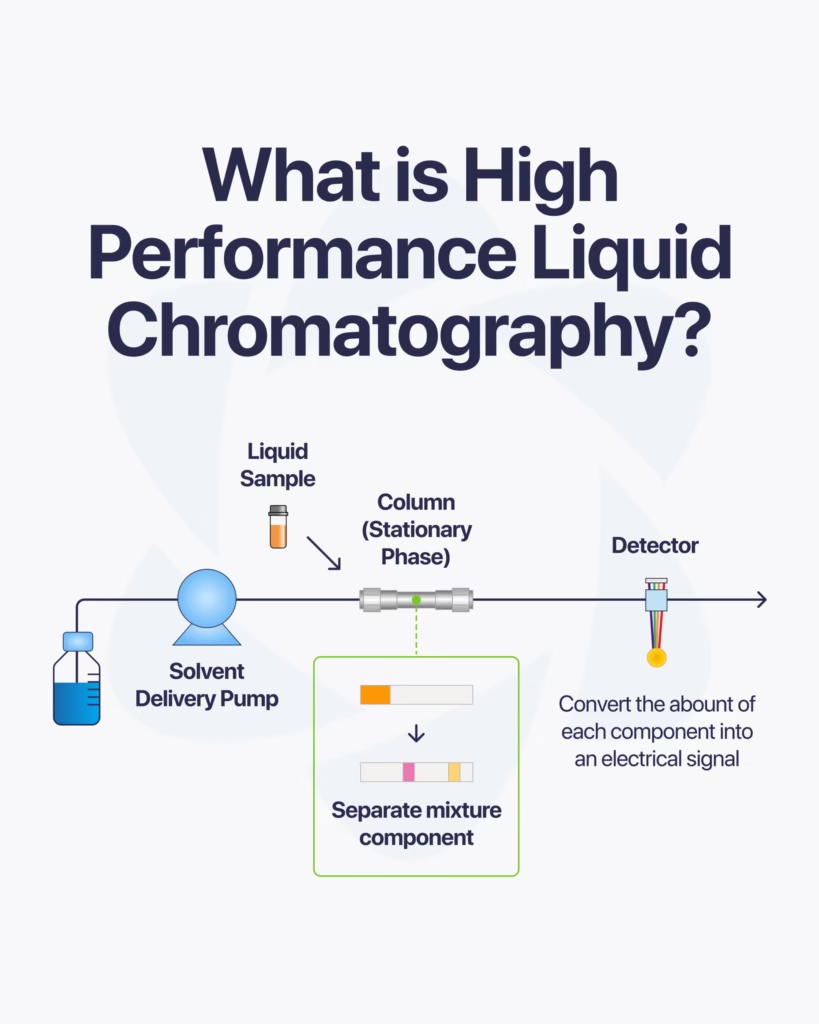
What Is High Performance Liquid Chromatography (HPLC)? High Performance Liquid Chromatography (HPLC) is an analytical technique used to separate, identify, and quantify components in a mixture. It works by passing a liquid sample through a column packed with a stationary phase, while a high-pressure pump drives the solvent (mobile phase). Different compounds interact with the […]
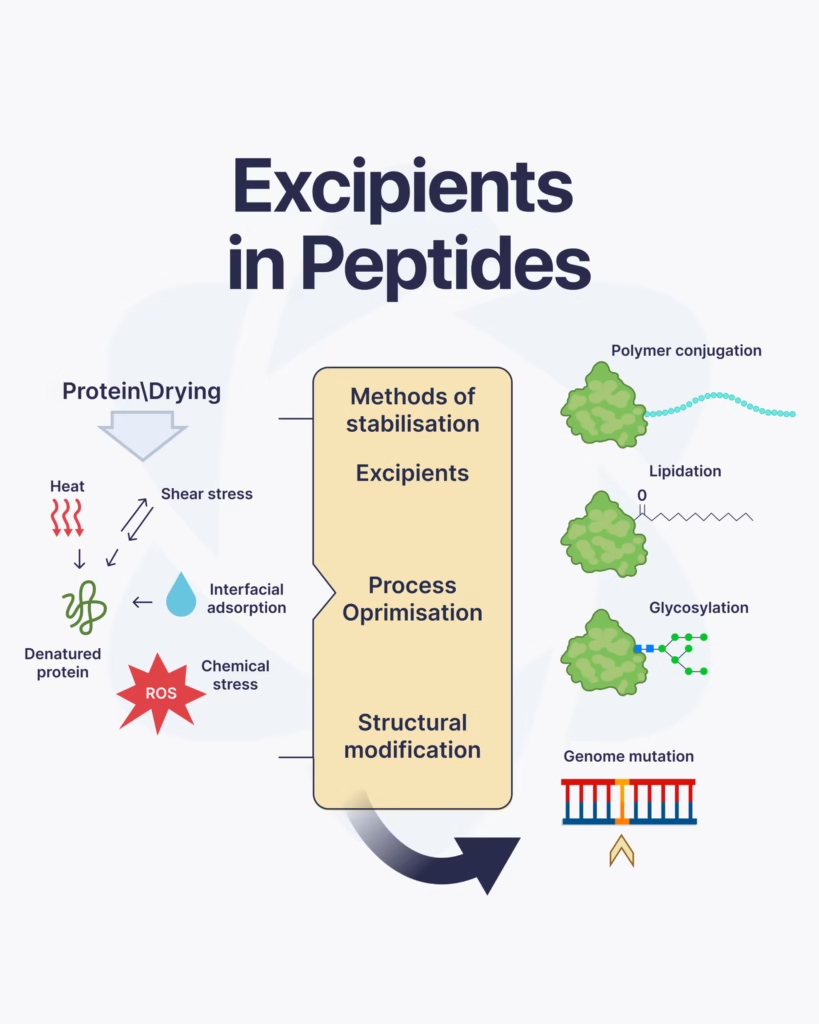
What Are Excipients? Excipients are inactive substances added to a formulation alongside the primary compound. In peptide research, excipients serve important roles in stabilizing, protecting, or delivering the peptide in a controlled way. While they do not provide direct biological activity, they ensure that peptides remain intact and usable during storage, handling, and experimental application. […]
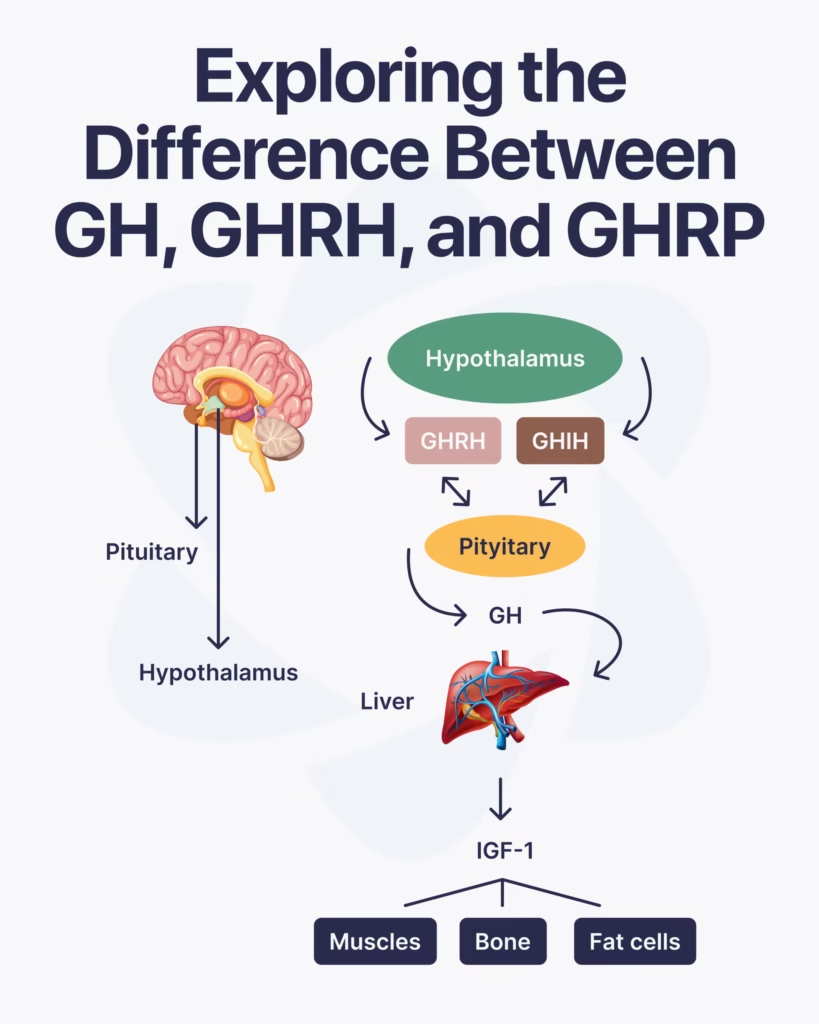
What Is GH? Growth Hormone (GH), also called somatotropin, is a protein hormone produced by the anterior pituitary gland. It plays a central role in growth, metabolism, and tissue maintenance. In research contexts, GH is often measured to study endocrine function, metabolic signaling, and feedback loops within the hypothalamic–pituitary axis. (Reference: Giustina & Veldhuis, 1998) […]